






Find your perfect trip!
Find your perfect trip!


14-day self-guided walking tour along the Fishermen's Trail
14-day self-guided walking tour along the Fishermen's Trail
style :
Level :


Duration :
14 days
Comfort :


period:
Feb Mar Apr May Jun Jul Aug Sep Oct Nov
Code:
PTSW008

14-day self-guided walking tour along the Fishermen's Trail
14-day self-guided walking tour along the Fishermen's Trail
Self-guided Rota Vicentina from Porto Covo to Lagos
- Portugal's GR-11 'Fishermen's Trail', the coastal trail of the Rota Vicentina
- Wild landscapes with beaches, dunes and steep cliffs
- The Natural Park ‘Sudoeste Alentejano e Costa Vicentina’
- High waves and strong winds, a surfers' paradise
- Tasty traditional Portuguese cuisine
- Friendly fishermen's towns such as Vilanova de Milfontes, Sagres and Lagos
- Historical fortresses of V.N. de Milfontes, Aljezur, Arrifana, Sagres and Cape Saint Vicent
- Trails designed and maintained by Rota Vicentina Association of which S-Cape Travel is member since 2015


View map
ITINERARY
Start: Vila Nova de Milfontes Finish: Lagos
Day 1: Arrival in Vila Nova de Milfontes
Day 2: From Porto Covo to Vila Nova de Milfontes (16.5 - 19.5 km / 10 - 12 mi)
Day 3: From Vila Nova de Milfontes to Almograve (12 - 15 km / 7-9 mi)
Day 4: From Almograve to Zambujeira (20 -11 km / 13 - 7 mi)
Day 5: From Zambujeira to Odeceixe (19 km / 12 mi)
Day 6: From Odeceixe to Aljezur (19-23 / 12-14 mi)
Day 7: From Aljezur to Arrifana (17 km / 11 mi)
Day 8: From Arrifana to Carrapateira (16 - 19 - 23 km / 10 - 12 - 15 mi)
Day 9: Day of rest or Loop walk Carrapateira (10 - 22 km / 6 - 14 mi)
Day 10: From Carrapateira to Vila do Bispo (16 - 19 km / 10 - 12 mi)
Day 11: From Vila do Bispo to Sagres (20 km / 12 mi)
Day 12: From Sagres to Salema (16 - 20 km / 10 - 12 mi)
Day 13: From Salema to Lagos (17 - 23 km / 11 - 14 mi)
Day 14: End of programme
Day 1: Arrival in Vila Nova de Milfontes
After arrival in the coastal town of Vila Nova de Milfontes, located on the banks of the River Mira, and having moving into the stylish Bed & Breakfast in the centre of town, you may wish to take the ferry to the sandy beach Praia das Furnas, visit Fort Sâo Clemente or do some lunch shopping for tomorrow in the old town centre.
Day 2: From Porto Covo to Vila Nova de Milfontes (16.5 - 19.5 km / 10 - 12 mi)
After a short taxi transfer (included), you start in Porto Covo on the first leg of the Fishermen's Trail, which is part of the Rota Vicentina. Quite a challenging start since you have to cross several sandy beaches and the vast dunes of Ilha do Pessegueiro. The biodiversity of flora in the sand dunes in these areas is remarkable. Due to the sometimes strong, salty winds, pines, rosemary and sunflower are bent almost horizontally. After 16,5 km, you could order a taxi (not included) in Canal, if you want to skip the last 3 km.
Challenge: 4-5 hours, 16,5 - 19.5 km / 10 - 12 mi, 75 m ascent/descent
Day 3: From Vila Nova de Milfontes to Almograve (12 - 15 km / 7-9 mi)
Start the day with a crossing of the estuary by taxi boat (not included) to Furnas beach where you can continue on the fishermen's trail. If the boat does not sail, you will have to cross the River Mira on foot (or taxi) via the 1km bridge with nice views over the reed beds further inland. The landscape today is varied, as some of the native coastal vegetation has been overgrown by ‘exotic’ Acacia trees, or has had to make way for agriculture. Remains of old quarries among the dunes show this coastline has been changing since time immemorial.
In Almograve, a taxi (included) will take you and your luggage to your hotel in Zambujeira.
Challenge: 3.5 to 4 hours, 12 - 15 km / 7 - 9 mi, 75 m ascent/descent
Villages along the way: none
Day 4: From Almograve to Zambujeira (20 -11 km / 13 - 7 mi)
This morning the taxi will take you back to Almograve where today's 6-hour stage starts, another spectacular coastal walk, via Cavalheiro and the lighthouse at Cape Sardao, where you can stop for a drink or a meal. If you feel a bit tired, just ask the taxi driver to drop you off in Cavalheiro (9 km less)
Challenge: 6 / 3 hrs, 20 -11 km / 13 - 7 mi, 175 m ascent, 90 m descent
Villages along the way: Cavalheiro
Day 5: From Zambujeira to Odeceixe (19 km / 12 mi)
Today you follow the Fishermen's Trail again along the coast- Rolling dunes alternate with rocky shores, where storks nest, and of course another set of beaches: Alteirinhos, Carvalhal, Machados and Amália.
Treat yourself to lunch at the (fish) restaurant of the natural fishing port of Azenha do Mar, before continuing on to the Seixe River that separates the Alentejo from the Algarve. You stay overnight in a hotel in the upper part of the village of Odeceixe, made up of several typical houses.
Challenge: 5.5 - 6 hrs, 19 km / 12 mi, 220 m ascent, 230 m descent
Villages along the way: Azhena, Odeceixe
Day 6: From Odeceixe to Aljezur (19-23 / 12-14 mi)
From the hotel's doorstep you start walking through farmed fields and an open landscape of heather and fragant shrubs, all very easy going along rural tracks and quiet tarmac lanes. After a coffee break at the best bakery shop in Rogil, you can chose between the coastal trail to Praia da Amoreira (taxi from Praia da Amoreira to Aljezur not included) or a shorter inland trail straight on to Aljezur. Your modern hotel in Aljezur has a small swimming pool and is conveniently close to one of the best restaurants in town.
Challenge: 5.5 - 6 hrs, 19 - 23 km / 12 - 14 mi, 150 m ascent/descent
Villages along the way: Rogil and Aljezur
Day 7: From Aljezur to Arrifana (17 km / 11 mi)
From your hotel in Aljezur you first walk uphill to the mediaeval fortress at the edge of the plateau overlooking the valley and coast. Then you cross the plateau to reach the beach of Monte Clerigo and turn south again towards Arrifana, inhabited already in eraly history by Phoenicians, Carthaginians, Romans and Arabs. A unique feature of the Arrifana area is that there was a Ribat, an Islamic fortress-monastery, occupied by warlike monks. The monastery was founded in the 12th centuryby Ibn Qasî, a Sufi, political leader and spiritual guide, and was, as far as we know, the only Ribat in Portugal. Now only a ruin remains, but in a beautiful place.
At the beach of Arrifana, a taxi will pick you up and return you to your hotel in Aljezur.
Challenge: 5 hrs, 17 km / 11 mi, 225 m ascent, 180 m descent
Villages along the way: Aljezur, Monte Clérigo and Arrifana
Day 8: From Arrifana to Carrapateira (16 - 19 - 23 km / 10 - 12 - 15 mi)
Today your route depends on the tides, as the Fishermen's Trail near Carrapateira can only be done at low tide as there is no escape route on some parts of the 100m-high cliffs when the tide comes in. Inland is the alternative Rota Vicentina route, the so-called Caminho Histórico, which leads through a surprisingly beautiful rural setting alternating between maquís, pine forests and open meadows with old cork and holm oaks.Whatever you do, the day starts with a short taxi ride to the fishing village of Arrifana (or even further south to Monte Novo, hence shortening the route)
Challenge: 4.5 / 6 / 7 hrs, 16 - 19 - 23 km / 10 - 12 - 15 mi, 175 / 200 / 325 m ascent, 250 / 265 / 425 m descent
Villages along the way: Arrifana, Bordeira, Carrapateira
Day 9: Day of rest or Loop walk Carrapateira (10 - 22 km / 6 - 14 mi)
After a full week of hiking, the beautiful surroundings of Carrapateira invite you to enjoy a day of relative rest; on the enormous sandy beach of Bordeira or the surfer's paradise Praia do Amado. Or just enjoying a drink or a meal in the village of Carrapateira where tourists, surfers and fishermen peacefully coexist and enjoy what the sea has to offer in different ways.
If you want to walk, take a short circular walk along two beautiful sandy beaches or extend it to the completely restored village of Pedralva, with café-restaurant and pizzería
Challenge: 3 - 6.5 hrs, 10 - 22 km / 6 - 14 mi, 125 - 215 m ascent / descent
Day 10: From Carrapateira to Vila do Bispo (16 - 19 km / 10 - 12 mi)
In the morning, you continue further south following the fisermen's trails on top of the cliffs and partly through the undulating inland, until suddenly the historic town of Vila do Bispo comes into sight. Especially at the start of the walk, you are very likely to encounter fishermen, balancing on protruding rocks.
Challenge: 6-7 hrs, 19 km / 12 mi, 400 m ascent , 350 m descent
Villages along the way: none, only the beach do Amado
Day 11: From Vila do Bispo to Sagres (20 km / 12 mi)
A spectacular stage today as you round the south-western most point of Europe via barren lime stone cliffs. Visit the old fortress and light house at the windswept Cape São Vicente and then follow the coastline eastwards to the fortress of Sagres. In this beach town you will stay for two nights close to the beach and near the marina of Baleeira.
Challenge: 5-6 hrs, 20 km / 12 mi, 120 m ascent, 200 m descent
Day 12: From Sagres to Salema (16 - 20 km / 10 - 12 mi)
The section between Sagres and Salema is one of the most challenging stages of the Fishermen's Trail, as you constantly ascend and descend the cliffs following stony foot paths. But it is also one of the most beautiful stages: wind and water have formed the bizarre rock formations here, for which the Algarve is famous. You will be rewarded for all the effort with beautiful views and numerous opportunities to swim at the beaches of Martinhal, Barranco, Ingrina, Zavial, Furnas, Figueira or Salema. There were pottary factories on the plains in roman times and the remains of a 18-century fortress at Ponte de Fisga.
If you find 20 km too much you can ask the taxi to pick you up in Figueiras (after 16 km) instead of Salema as you will return to the hotel in Sagres in the afternoon.
Challenge: 5 - 6.5 hrs, 16 - 20 km / 10 -12 mi, 260 or 345 m ascent, 230 or 370 m decent
Villages along the way: Martinhal, Figueira
Day 13: From Salema to Lagos (17 - 23 km / 11 - 14 mi)
A taxi takes you back to Salema this morning, or a little bit further east to Burgeau, where you will begin the final hike along the Fishermen's Trail. Along the way, you can admire the famous natural caves and arches at Ponte do Piedade and Praia do Camilo beach. Along this coast, several forts were built by Romans, Arabs and Portuguese to protect the population from pirates. The route and journey ends in the historic town of Lagos, on the banks of the river Bensafrim.
Challenge: 5.5 -7 hrs, 17 - 23 km / 11 -14, 330 / 530 m ascent & descent
Villages along the way: Brugeau, Luz,
Day 14: End of programme
After breakfast your arrangement ends.
ACCOMMODATION
Where will you stay?
The hotels on this trip have been carefully selected for their location, atmosphere, closeness to the end and beginning of the stages of the Fishermen's Trail and their membership of the Rota Vicentina Association (whenever this was possible).
Although all rooms are en-suite, the comfort level of the different accommodations are quite diverse, but our selection criteria also guarantee that this tour is a very sustainable one, benefiting the local community.
If a listed accommodation is unavailable, a similar alternative will be booked and communicated to you. Extra nights can be booked at any of the accommodations along the route.
-
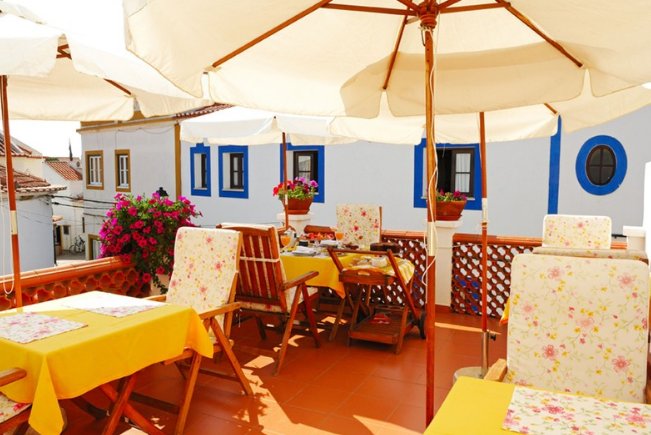 Casa do Adro da Igreja (Vila Nova de Milfontes)
Casa do Adro da Igreja is a family-run guesthouse housed in a historic building dating back to the 17th century, located in the centre of Vila Nova de Milfontes. It has been carefully converted into a welcoming guesthouse with seven individually decorated en-suite rooms, while remaining in the hands of the family that has lived here for generations.
-
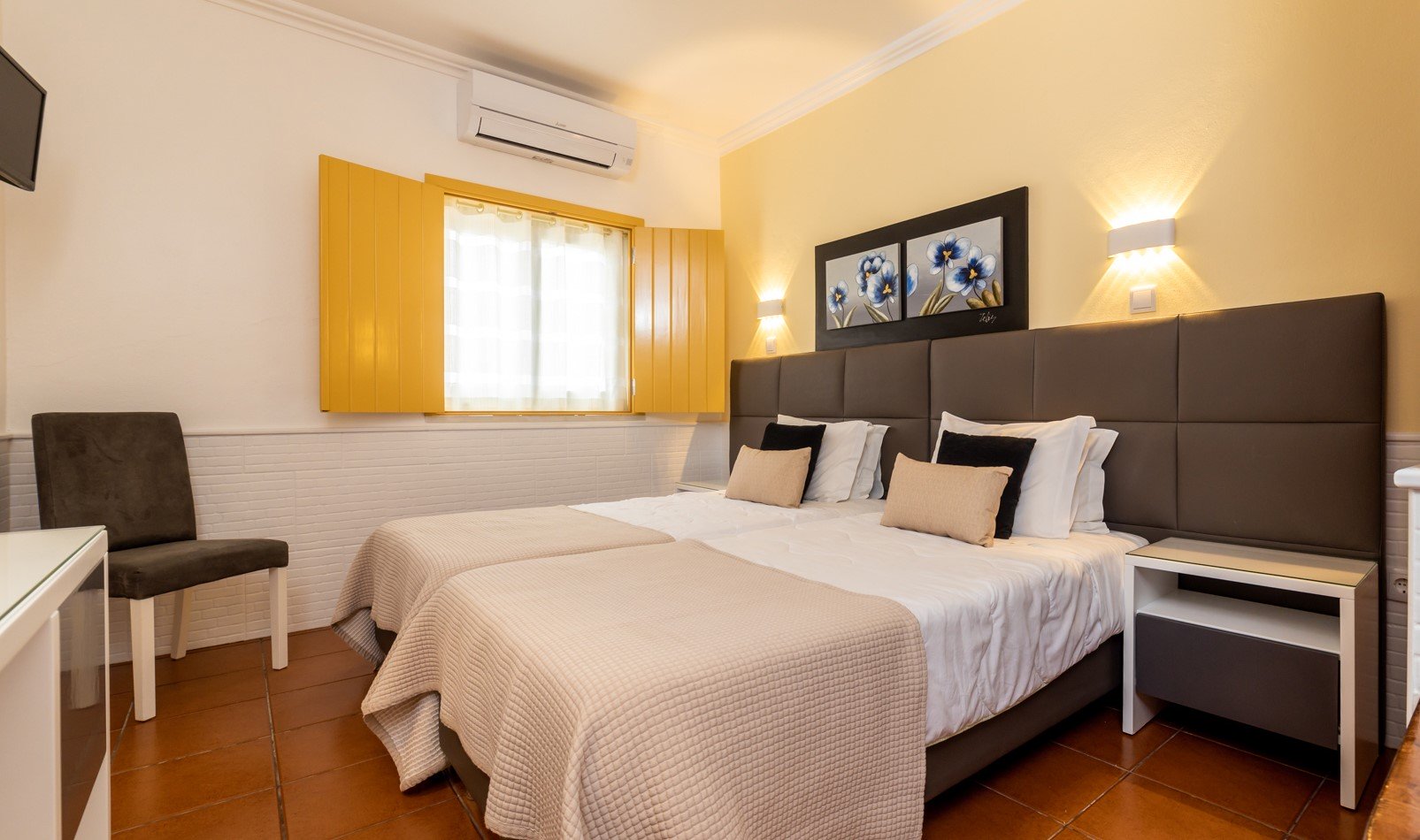 Hospedajem Rosa dos Ventos (Zambujeira)
Hospedagem Rosa dos Ventos is a guesthouse located in Zambujeira do Mar, just 500 metres from the beach. Its rooms are arranged around a charming interior courtyard with a fountain, inspired by traditional Andalusian patios, creating a pleasant and relaxing atmosphere in the heart of the village.
-
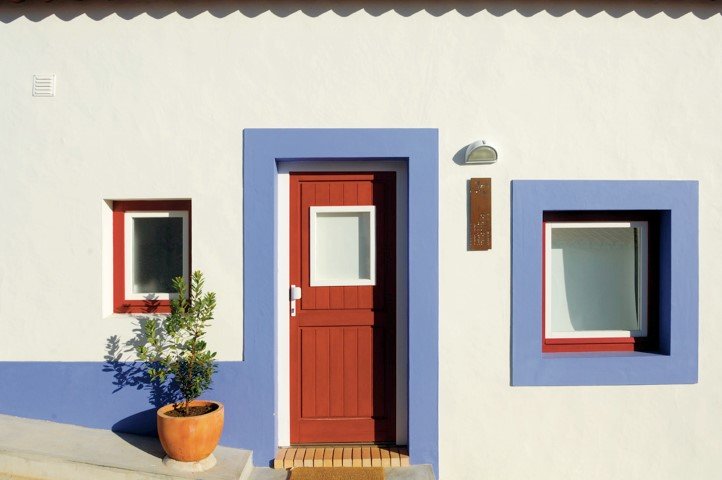 Casas do Moinho (Odeceixe)
Casas do Moinho is a collection of holiday houses located in a traditional Portuguese hamlet near Odeceixe’s iconic windmill. Fully equipped for a comfortable stay, the properties combine local character with modern conveniences, while guests can also enjoy the swimming pool and garden at the main building.
-
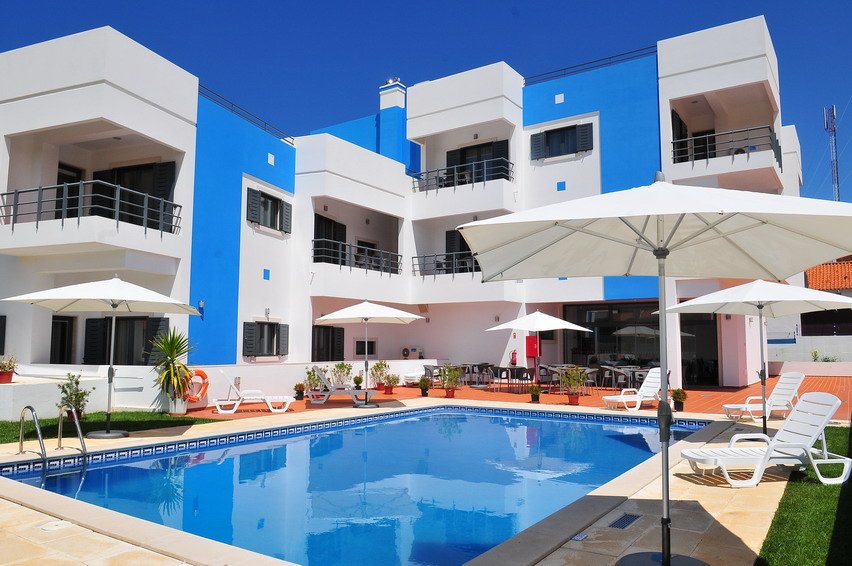 Vicentina Hotel (Aljezur)
Vicentina Hotel is a family-run hotel located between the historic centre of Aljezur and the town’s newer area. It offers a range of accommodation options, from rooms and studios to one-bedroom apartments, and features an outdoor swimming pool.
-
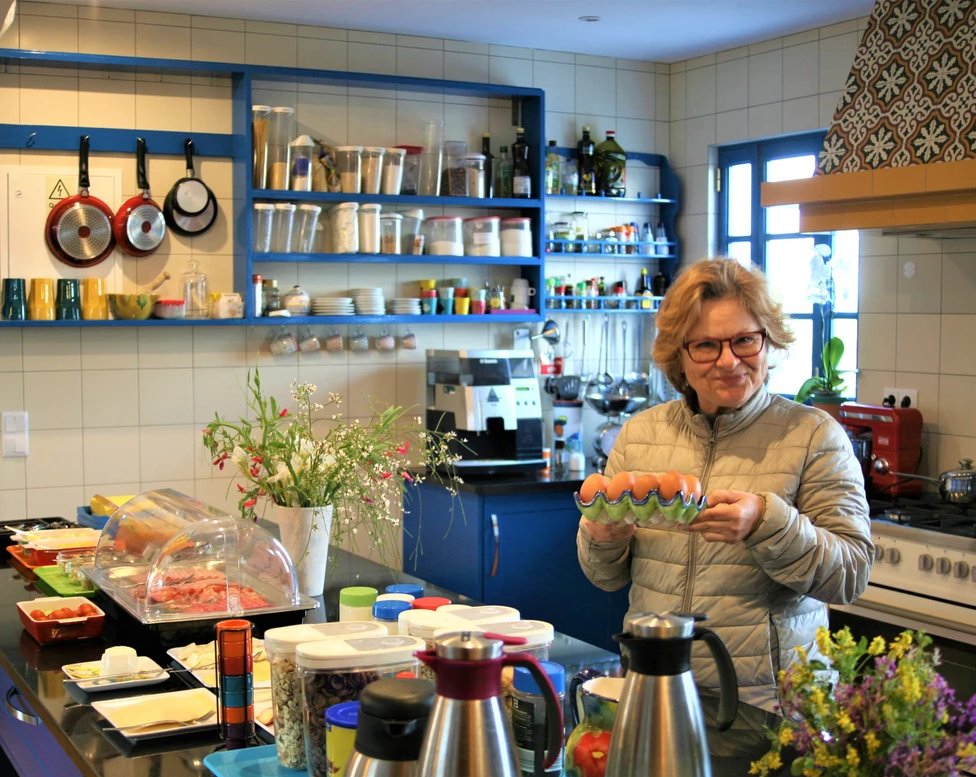 Pensâo das Dunas (Carrapateira)
A colourful hostal with tiny rooms but large outdoor patio and open kitchen where you will share the experience of Portugese hospitality with other guests. A unique accommodation managed by people who have been active in the Rota Vicentina association since the very beginning and are responsible for the waymarking of the stages close to Carrapateira.
-
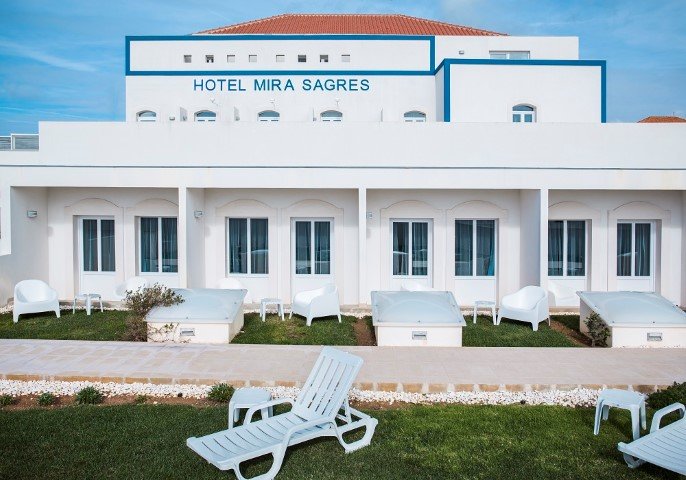 Hotel Mira Sagres (Vila do Bispo)
Inspired by Traditional Portuguese Architecture, this hotel has preserved the facades of the original building and is perfectly integrated into the surrounding architectural-historical heritage. The decoration of the rooms in blue tones resembles the colour of the sky and the sea. Facilities designed to ensure the well-being, comfort and convenience of its guests.
-
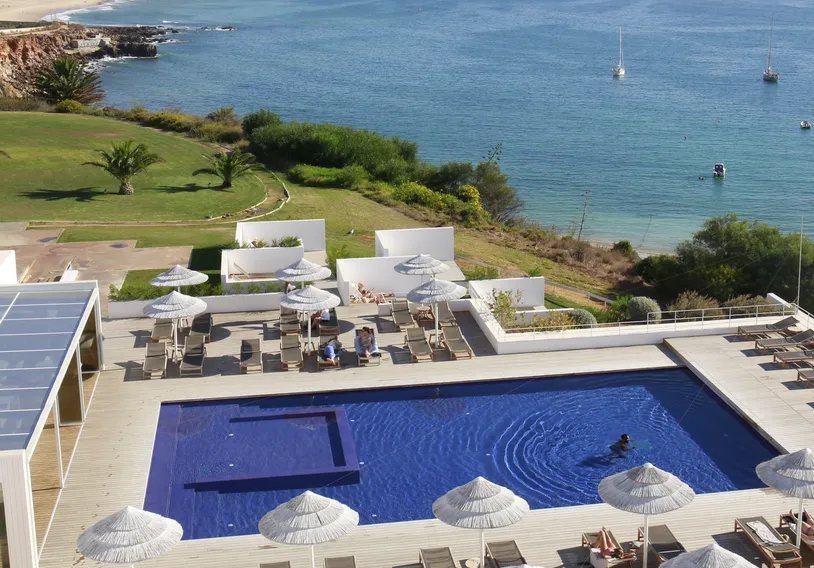 Hotel Memmo Baleeira (Sagres)
This contemporary 4-star Design hotel has everything you need for a relaxing holiday retreat in the town of Sagres; with views over the sea and over the Baleeira harbor. Definitely the most 'upscale' accommodation of the entire tour.
-
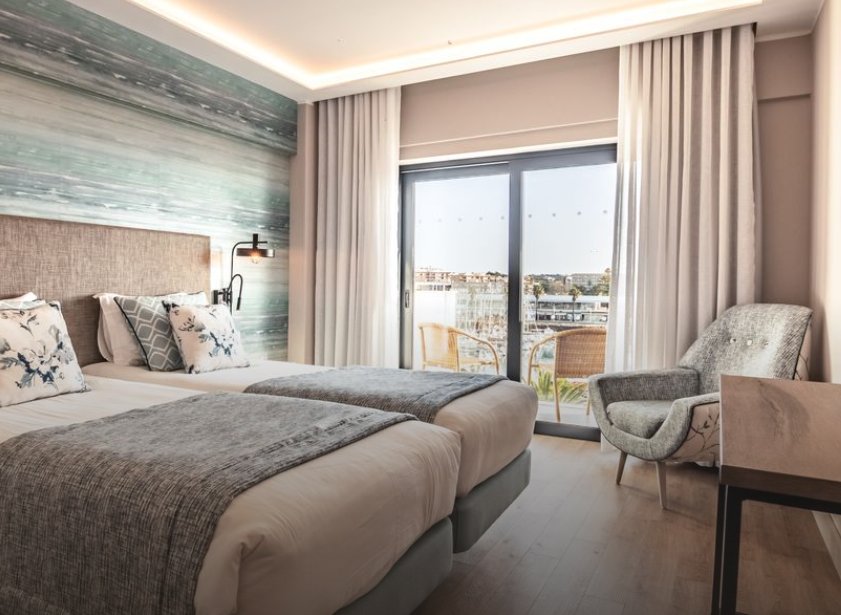 Hotel Marina Rio (Lagos)
Overlooking the marina, this family-run hotel is the ideal place for guests looking for a pleasant and quite hotel just a few steps from the historic centre of Lagos
PRACTICAL INFO

When to go?
The Fisherman’s Trail can be walked year-round, but spring and autumn generally offer the most comfortable conditions. In summer, especially from late June to late August, temperatures can be very high. While beaches are never far away, there is little shade along the route, so it is important to carry plenty of water, food and sun protection during the longer stages.
By mid-October, the season becomes quieter and the trails are less crowded. From November onwards, you can enjoy a much more peaceful experience, although some restaurants, cafés and other tourist services may have reduced opening hours or be closed.

Nearest airports to fly to are Lisbon airport (LIS) and Faro airport (FAO).

Arrival in Vila Nova de Milfontes
From Lisbon airport: Take a bus from Lisbon airport to Sete Rios bus station in Lisbon city centre. Then take bus from Lisbon-Sete Rios bus station to Vila Nova de Milfontes with company Rede Expressos (www.rede-expressos.pt). There are several busses per day and the average travel time is 3 hours and 40 minutes in total.
From Faro airport : The journey from Faro airport is more complicated:
First you take a shuttle bus from Faro airport to Faro bus station (Terminal Rodoviario – Vamus). If you are flying with TAP, you can make use of their free shuttle service.
Then you travel from Faro Bus Station to Lagos with Vamus bus company (line 57 Faros - Lagos). The approximate travel time is 2 hours and there are frequent busses (for time tables see www.vamusalgarve.pt .)
From Lagos you take the Rede Expressos bus to Vilanova de Milfontes. There are normally 3 busses per day; but please note that the last one is leaving at 15.20 hrs. (for time tables see www.rede-expressos.pt).
Departure from Lagos
To Lisbon airport: From Lagos you can travel directly to Lisbon in almost 4 hrs by public transport with Rede-Expressos (see link to website further up).
To Faro airport: you first can travel by bus with Vamus to Faro (line 57) in approximatley 2 hours (see link to website further up).
If you prefer to travel by train from lagos to Faro that is possible (see www.cp.pt), but you have to walk a bit to reach the shuttle bus to the airport; crossing the pedestrian bridge, then alonside the harbour)
Then you continue by bus or taxi to Faro Airport.
Optional airport transfers
Private taxi transfers can be booked from/to the airport (Lisbon-LIS or Faro-FAO) through S-cape Travel. Prices on request

Navigation app and tracks
Included in your booking is access to the tour on our navigation app. You can also download the tracks and follow the routes on your own device, but we recommend checking the app for the day-to-day itinerary.

Weather & Climate
Why Autumn Is the Best Time to Walk the Fishermen’s Trail? Read here our opinion!
| Month | Temperature (ºC) | Hours of sunshine | Rain (%) |
| Feb | 8–16 °C | 6 h | 35 % |
| Mar | 10–19 °C | 7 h | 30 % |
| Apr | 11–21 °C | 8 h | 25 % |
| May | 13–24 °C | 9 h | 20 % |
| Jun | 16–27°C | 11 h | 10 % |
| Jul | 18–29 °C | 12 h | 5 % |
| Aug | 18–29 °C | 11 h | 5 % |
| Sep | 17–28 °C | 9 h | 10 % |
| Oct | 14–24 °C | 7 h | 20 % |
| Nov | 11–19 °C | 6 h | 30 % |

How to Book & Our Terms
When you make a booking, we first check availability and do our best to confirm all your chosen options. Once everything is confirmed, we’ll contact you. If something isn’t available, we’ll get in touch to discuss alternative options with you.
You can note any preferences or questions in the comments box at the final step of booking. For full details, please see our Terms & Conditions and How to book pages.
WHAT'S INCLUDED
Included
- 13 nights' accommodation with breakfasts
- Luggage transport on days 3, 5, 6, 8, 10, 11 and 13
- Transfers according to programme, on days 2, 3, 4, 7, 8,12 and 13
- Digital detailed route notes and maps in English
- Access to the trip on GUIBO navigation app
- 24-hour telephone assistance
Not included
- Transport to first/ from last accommodation
- Other meals
- Optional transfer at end of route on day 6
- Optional taxi transfers to shorten walks on days 4, 8,12 and 13
- Transfers by public transportation
- Personal expenses such as drinks, phone calls, extra transfers, etc.
- Tourist Tax
- Any items that have not been specifically mentioned in the program
Extras
- Single Room Supplement(s)
- Solo Traveller Supplement
- Additional night/s can be booked at any of the standard accommodations along the way
- Shipment of printed documents to the first accommodation
REVIEWS
Absolutely. This southern region of Portugal is known for its beachfront bars and restaurants, where you can enjoy fresh fish and seafood while supporting local fishermen. Along the route, you'll also find small shops, cafés and bakeries selling regional specialities, including Queijinhos de Figo and Figos Cheios, two traditional sweets made primarily from figs.
Yes. On a couple of sections where the coastal route follows beaches and small coves, you'll need to take the tide times into account when planning your day. However, there's no need to worry if you arrive at high tide, as there is always an alternative route available.
You can check tide times on the official Portuguese Hydrographic Institute website: www.hidrografico.pt/m.mare
For an extra night, we recommend Vila Nova de Milfontes, Zambujeira do Mar or Carrapateira. All three offer a good range of services, excellent restaurants and at a walking distances from a beach. If you're walking the full trail and would like a rest day in the middle of the trip, Carrapateira is our top choice without a doubt. This lively village has two stunning beaches within walking distance and is the perfect spot to slow down, recharge and enjoy a day away from the trail.
The Fishermen’s Trail can be enjoyed throughout much of the year, but as we explain in our blog article, we firmly believe that autumn is the best time to experience it. Temperatures are pleasant for walking, the summer crowds are disappearing, and the Atlantic coastline often remains warm enough to enjoy the beaches.
The trail follows the wild Atlantic coast and passes several surfing beaches known for their waves. However, you'll also come across more sheltered beaches and coves where both locals and visitors enjoy swimming. Don't forget to bring your swimwear!
Why book with S-Cape?
Local experts
We know the trails inside out - we've walked them all, so we can guide you.
Travel your way
Go when you want, with whoever you choose - we take care of the rest.
Our Navigation App
Our app has every route mapped, with daily details and extra info for a seamless journey.
OTHER TOURS YOU MIGHT ALSO LIKE:


Recently viewed:


14-day self-guided walking tour along the Fishermen's Trail







Contact
-
Edificio Sovega bajo, Crta General s/n
33554 Arenas de Cabrales
Asturias , Spaininfo@s-capetravel.eu
+34 (0) 985 846 455
UK call free 0800 707 44 35 -





Opening hours: Mon-Fri 9:00am – 6:00pm (CET)
Opening hours: Mon-Fri 9:00am – 6:00pm (CET)