






7 Alternatives to Europe’s Most Popular Hiking Destinations
Europe’s most famous hiking routes are iconic for good reason. From the dramatic peaks of the Dolomites and the coastal cliffs of Amalfi to Santorini’s island paths and the legendary Tour du Mont Blanc, these destinations deliver unforgettable scenery. However, their fame comes with a downside: overcrowded trails, congested viewpoints, and accommodation that must be booked over a year in advance.
Stepping off the beaten track doesn't mean sacrificing beauty. Across Europe, countless hidden gems remain largely untouched by mass tourism while still offering excellent infrastructure for hikers. Choosing these quieter spots adds a unique magic to your journey: the thrill of true discovery and a deeper, more authentic connection with local culture.
There is also a vital sustainability benefit. By opting for lesser-known destinations—or travelling outside peak season—you help support local economies, spread tourism beyond overloaded hubs, and relieve pressure on fragile ecosystems and local water supplies.
If you’re ready to trade the crowds for tranquillity, here are seven incredible alternatives to Europe’s most famous hiking destinations, categorized by landscape, difficulty, and trail style.
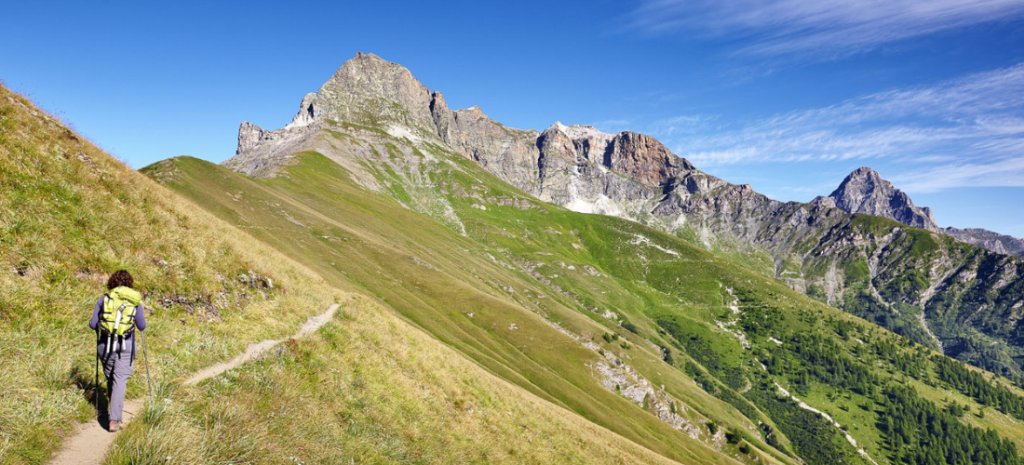
1. Love the Dolomites? Consider Val Maira
Nestled in Piedmont—literally "at the foot of the mountains"—lies the Val Maira, a serene paradise deep in the Italian Alps.
If you’re drawn to the Dolomites' rugged peaks and stone-and-timber mountain huts, the Val Maira offers that exact alpine charm without the crowds. This remote valley balances rocky mountain passes, lush alpine meadows, and dense woodlands with sweeping panoramic views. Crucially, it remains free from large ski resorts and busy highways, preserving a quiet, unspoilt atmosphere often missing from better-known Alpine destinations.
What makes the Maira Valley special?
The appeal of the Maira Valley lies as much in its culture as its landscapes. Its historical isolation has helped preserve the unique Occitan language, traditional stone architecture, and charming mountain hamlets. As you hike, trails wind past quiet villages and ancient chapels adorned with frescoes, leading to local inns where the cuisine blends rich Italian and Occitan flavours.
Best time to visit
Given the altitude, it is best to wait until June to ensure the winter snow has cleared. While the Val Maira is steadily gaining a reputation among keen hikers, late September and October remain the best times to visit if you are seeking absolute solitude and vibrant autumn scenery.
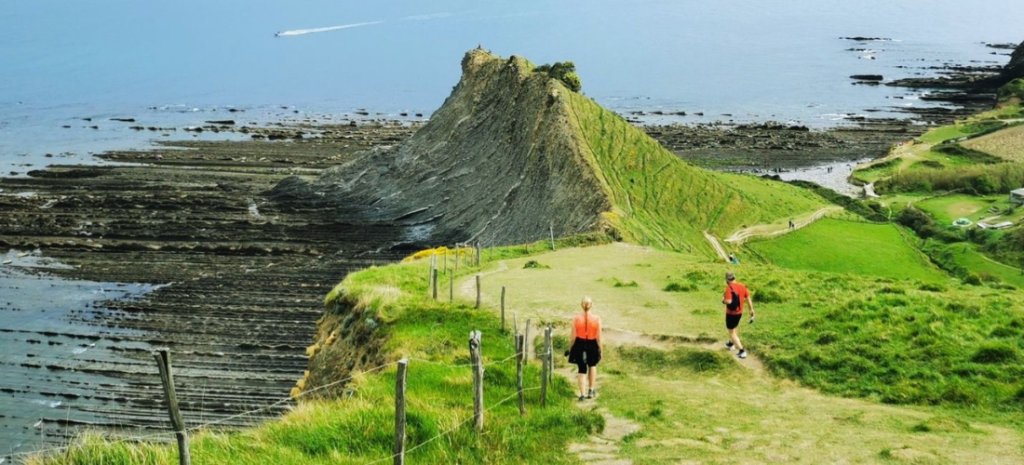
2. If the Amalfi Coast Appeals to You, Try the Basque Coast
Cliff-top footpaths, charming villages, and exceptional cuisine
The easternmost stretch of the Basque Coast—between Hondarribia and Deba—offers a distinct cultural experience from the Amalfi Coast, yet shares a striking scenic resemblance. Here, coastal trails wind along dramatic cliffs where lush trees practically touch the sea, and quaint fishing villages invite you to pause at every turn.
Instead of Mediterranean lemon groves and terraced hillsides, you’ll find rolling green meadows and coastal vineyards.While there is no island excursion quite like Capri, the region offers its own memorable maritime touch: after descending Mount Jaizkibel into the fjord-like harbour of Pasaia, a small, seven-minute passenger ferry carries you across the inlet.From there, you can either continue along the coastal trail into San Sebastián or take a quick bus ride to skip a steep uphill climb.
What makes the Basque Coast special?
The coastline becomes truly breathtaking around Zumaia, where the dramatic flysch rock formations reveal millions of years of exposed geological history. Adding to the route's charm is its vibrant mix of trail companions: as you walk, you’ll share the path with friendly locals on morning strolls alongside pilgrims following the Camino del Norte (the Northern Way).
Best time to visit
The Atlantic climate keeps the coastline lush and green, though rain is always a possibility in northern Spain. High summer brings the driest and warmest weather, but take note: while the region is less famous internationally for hiking, it is a favourite summer getaway for Spanish holidaymakers. If you plan to visit in July or August, it’s best to book your accommodation well in advance.
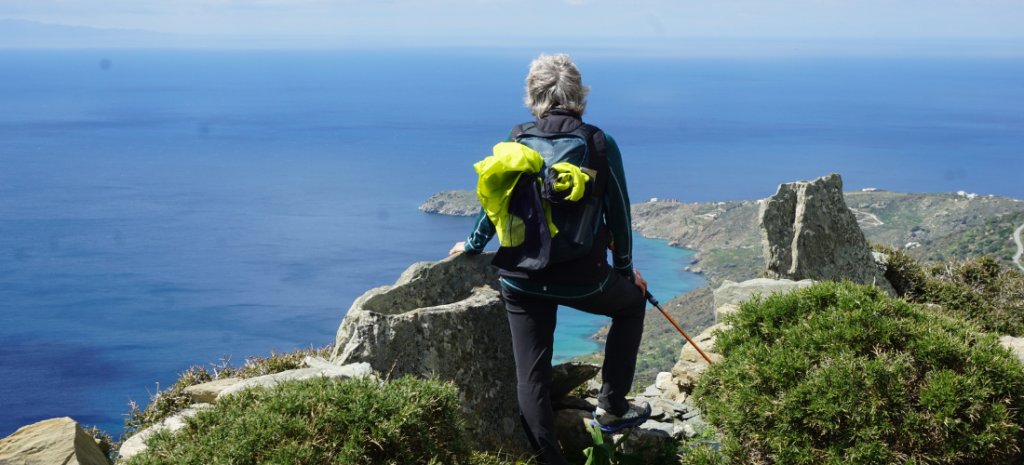
3. Seeking an Alternative to Naxos or Santorini? Try Andros
Discover a greener side to the Cyclades
Andros shares many of the finest qualities that draw travellers to Naxos and Santorini: charming traditional villages,picture-perfect beaches, a rugged mountainous interior, and the sparkling Aegean Sea. However, if you are expecting the classic Cycladic postcard of whitewashed, domed houses with bright blue doors, Andros offers a delightful surprise. Its unique architecture sets it apart, trading heavy crowds for quiet beaches and unspoilt mountain hamlets.
For hikers, Andros is exceptional. It boasts Andros Routes—a meticulously signposted network of trails built on ancient mule tracks that criss-cross the island, linking fertile valleys, rural settlements, and coastal villages.
What makes Andros special?
Unlike its arid neighbours, Andros is surprisingly green and water-rich. Its historic cobbled paths (kalderimia) wind past stone terraced fields, natural springs, lush orchards, and ancient stone villages. The elegant capital, Chora, features grand neoclassical mansions perched dramatically on a narrow rocky peninsula jutting into the sea.
Furthermore, the flagship Andros Trail was the first island route certified as a Leading Quality Trail – Best of Europe.Maintained largely by dedicated local volunteers, the project even invites visiting hikers to give back: you can join volunteer days to prune vegetation and help keep these ancient pathways open for everyone.
Best time to visit
Spring is ideal, as wildflowers bloom and the island's lush landscape is at its vibrant best. Autumn is another excellent choice, once the scorching summer heat—which can make mid-year hiking punishing—has passed.
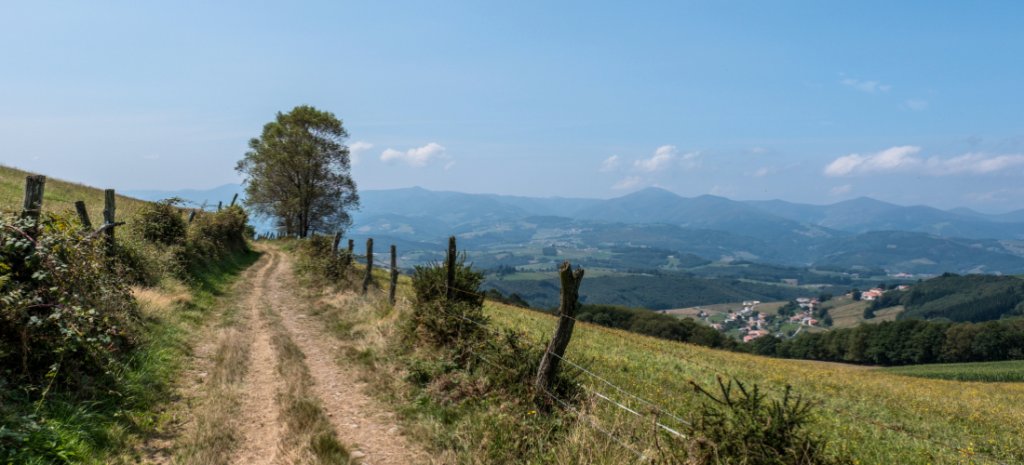
4. Planning the Camino? Choose the Primitive Way Over the French Way
A more intimate and authentic pilgrimage
While the Camino Primitivo (Primitive Way) and the popular Camino Francés (French Way) share the same ultimate destination, they offer vastly different experiences. The Primitive Way attracts walkers seeking a quieter, more tranquil journey. With significantly fewer pilgrims, you won't need to set off at the crack of dawn just to race for an open bed at the next hostel. Instead, the trail winds through the lush, verdant heartland of Asturias and Galicia, offering magnificent valley views and pleasantly cool walking temperatures.
Choosing a quieter path doesn't mean walking in total isolation, however. Once you reach Melide in central Galicia, the Primitive Way merges with the French Way, allowing you to share the camaraderie of the final stretch to Santiago with fellow pilgrims.
What makes the Primitive Way special?
The Primitive Way is celebrated as the original Camino route. According to tradition, King Alfonso II of Asturias walked this path from Oviedo in the 9th century after receiving news that the remains of St James had been discovered.
Due to the mountain terrain of Asturias, this route features notable elevation changes and is best suited to regular hikers, though the trail levels out as it enters Galicia. Key highlights include:
Ruta de los Hospitales: A dramatic high-mountain pass offering sweeping vistas across the Asturian valleys.
Grandas de Salime: A scenic descent through ancient chestnut woodlands towards a breathtaking reservoir.
Lugo: A historic city encased by remarkably preserved 3rd-century Roman walls—well worth booking an extra night to explore.
Best time to visit
The route is ideal from late spring through to mid-autumn. Northern Spain is famous for its lush greenery and mild weather, so while light afternoon rain or drizzle is common, conditions are generally comfortable for walking. September is perhaps the finest month to set off: summer crowds in Asturias have dissipated, and Galician afternoons are pleasantly mild rather than hot.
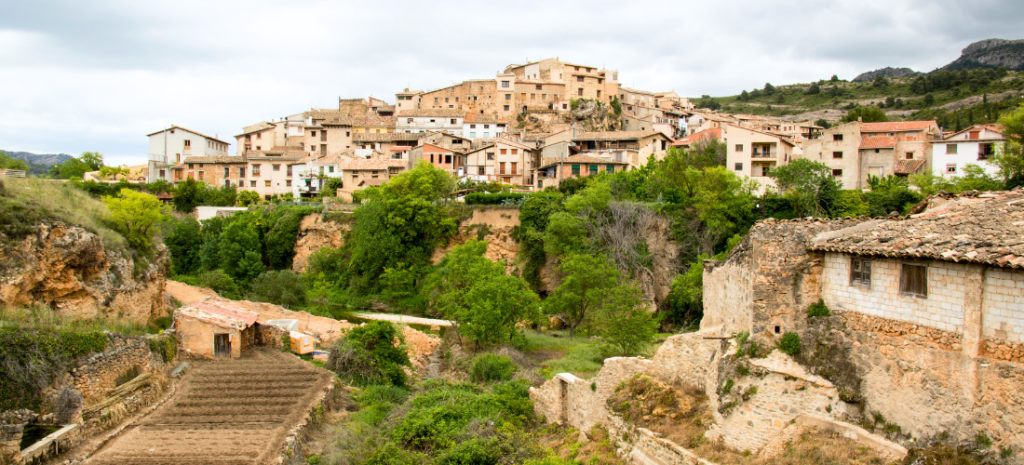
5. If you like Tuscany, you'll like El Matarraña
Gentle hills and medieval villages in rural Aragón
With its rolling olive groves, hilltop stone villages, and timeless atmosphere, Matarraña has earned a well-deserved reputation as ‘the Spanish Tuscany’. Both regions invite travel at a unhurried pace, connected by walking routes that thread together peaceful rural landscapes, historic hamlets, and a deeply rooted local culinary culture.
Yet Matarraña is far more than a mere Spanish counterpart to Tuscany. Further south, its terrain grows dramatic as it meets the Els Ports massif (Puertos de Beceite), where rivers have carved sheer gorges and crystal-clear swimming holes out of the limestone rock.
What Makes Matarraña Special?
The region offers two strikingly distinct landscapes:
The Rolling Countryside: Around La Fresneda, Calaceite, and Valderrobres, paths meander through gentle fields, almond orchards, olive groves, and fertile river valleys long shaped by traditional farming.
The Mountain Wilds: Heading south towards Beceite and Arnes, the landscape transforms into dense pine forests, rugged limestone ridges, towering gorges, and pristine mountain rivers.
While preserved medieval villages provide the cultural backbone of the region, iconic natural highlights like the Parrizal Gorge (Parrissal), the dramatic canyon of Els Estrets, and close encounters with wild vultures at the Mas de Bunyol Observatory lend an unmistakably wild edge to the journey.
Best Time to Visit
Summer is generally best avoided for hiking in Southern Aragón, as high temperatures—particularly in the flatter, more exposed open country—can make walking uncomfortable and arduous.
Instead, the region truly comes into its own during spring and autumn:
Spring (Late February to May): A vibrant time to explore, featuring blooming almond trees, flowering countryside, and rushing rivers.
Autumn (September to November): Ideal for crisp, comfortable walking days, set against a rich backdrop of golden fall foliage and harvest landscapes.
Both shoulder seasons provide pleasant walking temperatures and showcase distinct, beautifully changing scenery throughout the year.
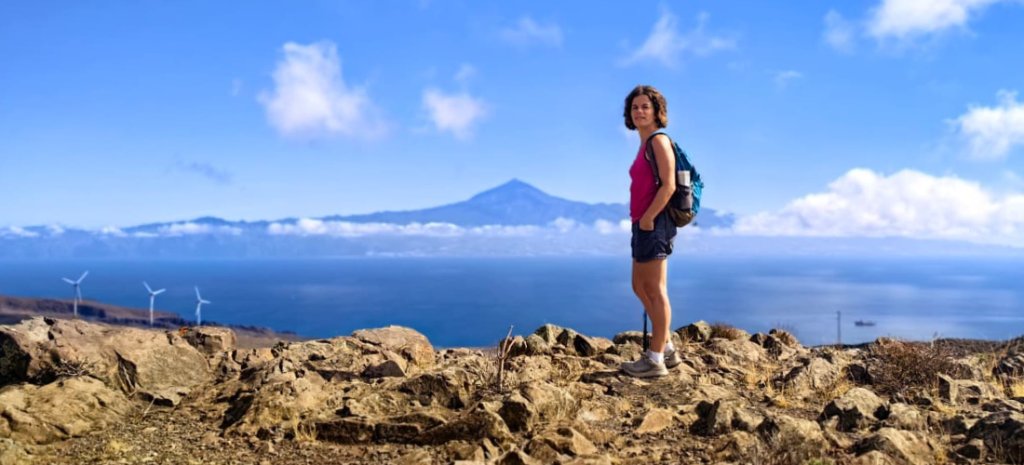
6. Looking for a Green Island Like Madeira? Try La Gomera
Dramatic gorges, lush laurel forests, and volcanic trails
Madeira and La Gomera share many of the qualities that make an exceptional hiking destination. Both islands rise dramatically out of the Atlantic, featuring routes that wind along deep valleys and high ridges wrapped in lush, subtropical greenery. However, at roughly half the size of Madeira, La Gomera developed its tourism much more gradually, allowing its quiet interior to retain a remarkably untouched character.
What Makes La Gomera Special?
At the heart of the island lies Garajonay National Park, home to an ancient, dense laurel forest. Here, moss-covered trunks, shifting mist, and tangled canopy create an almost primeval atmosphere. Stepping beyond the forest, the landscape shifts rapidly—from lush palm-filled valleys and banana plantations to dry, sun-baked slopes and rugged volcanic rock.
While this striking variety is a major draw, so too is the island’s steep terrain. Expect routes with a genuine physical challenge: our recent trail assessments confirmed that La Gomera is not ideal for novice walkers, as many routes involve daily ascents and descents of 700 to 1,000 metres.
Furthermore, while interior tourism remains low-key, key roadside viewpoints can still see surges of visitors at peak times during the day.
Best Time to Visit
Thanks to the Canary Islands’ subtropical climate, La Gomera enjoys mild, pleasant walking temperatures year-round. It is a particularly popular winter escape when northern Europe turns cold and many continental hiking destinations close for the season.
Interested in exploring La Gomera or the surrounding Canary Islands? Take a look at our regional guide highlighting the best walking routes across the archipelago.
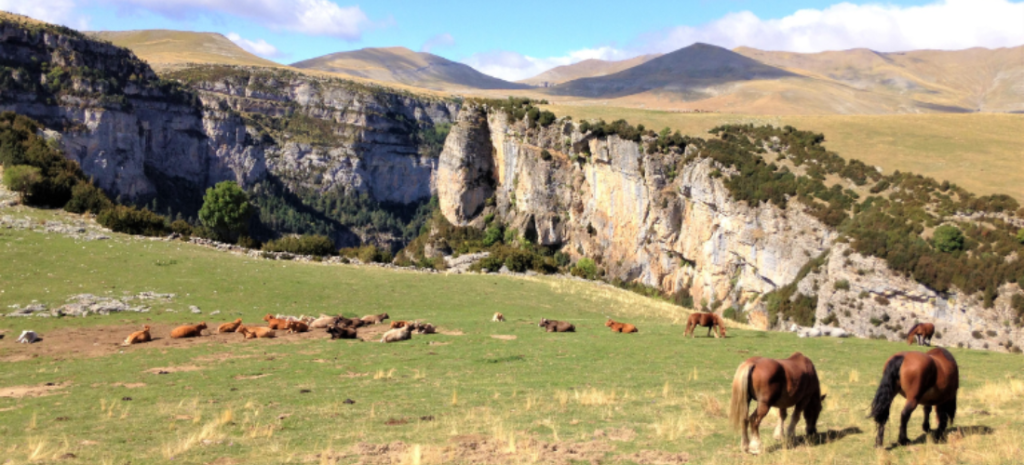
7. Loved the Tour du Mont Blanc? Tackle the Pyrenean GR11
A coast-to-coast trek across the Pyrenees
For mountain walkers drawn to the Tour du Mont Blanc for its high passes, atmospheric mountain huts, and alpine scenery, the GR11 offers a magnificent alternative. What is more, if the TMB left you wanting more, this Trans-Pyrenean route delivers an even longer, more demanding wilderness adventure.
Rather than circling a single massif, the full GR11 crosses the Spanish Pyrenees from the Atlantic to the Mediterranean. It can easily be tackled in weekly stages for those looking to complete it over time.
What Makes the GR11 Special?
The trail weaves through mountain landscapes of extraordinary variety—from lush river valleys and high alpine passes to glacial tarns and sheer limestone gorges. Along the way, you are treated to views of iconic peaks including Vignemale, Monte Perdido, Posets, and Aneto, crossing renowned protected areas such as Aigüestortes i Estany de Sant Maurici, the Valles Occidentales, and Ordesa y Monte Perdido National Park.
Each day takes you deeper into the heart of the range, alternating between nights in high-mountain refuges and family-run valley hotels. Because some refuges are extremely remote, careful stage planning is essential to ensure you know when and where you can resupply in mountain villages.
Best Time to Visit
Like most high-alpine trekking destinations, the Pyrenees offer a relatively short summer window. The route is typically accessible from late June—once high-altitude snow has cleared—through to September.
Marketing, Web & Design
After studying in my hometown of Barcelona and spending several years abroad, I relocated in 2018 to Cabrales, a beautiful rural area in Northern Spain. I invite you to check out some photos of Cabrales to see the incredible views we enjoy from our office!
After a few years in reservations, I now manage the website and marketing for S-Cape Travel, where I handle design tasks, blog writing, and attend specialized travel fairs.
Most popular








Contact
-
Edificio Sovega bajo, Crta General s/n
33554 Arenas de Cabrales
Asturias , Spaininfo@s-capetravel.eu
+34 (0) 985 846 455
UK call free 0800 707 44 35 -





Opening hours: Mon-Fri 9:00am – 6:00pm (CET)
Opening hours: Mon-Fri 9:00am – 6:00pm (CET)